Investing
Your First Stock Purchase: A Step-by-Step Guide for New Indian Investors
Your First Stock Purchase: A Step-by-Step Guide for New Indian Investors
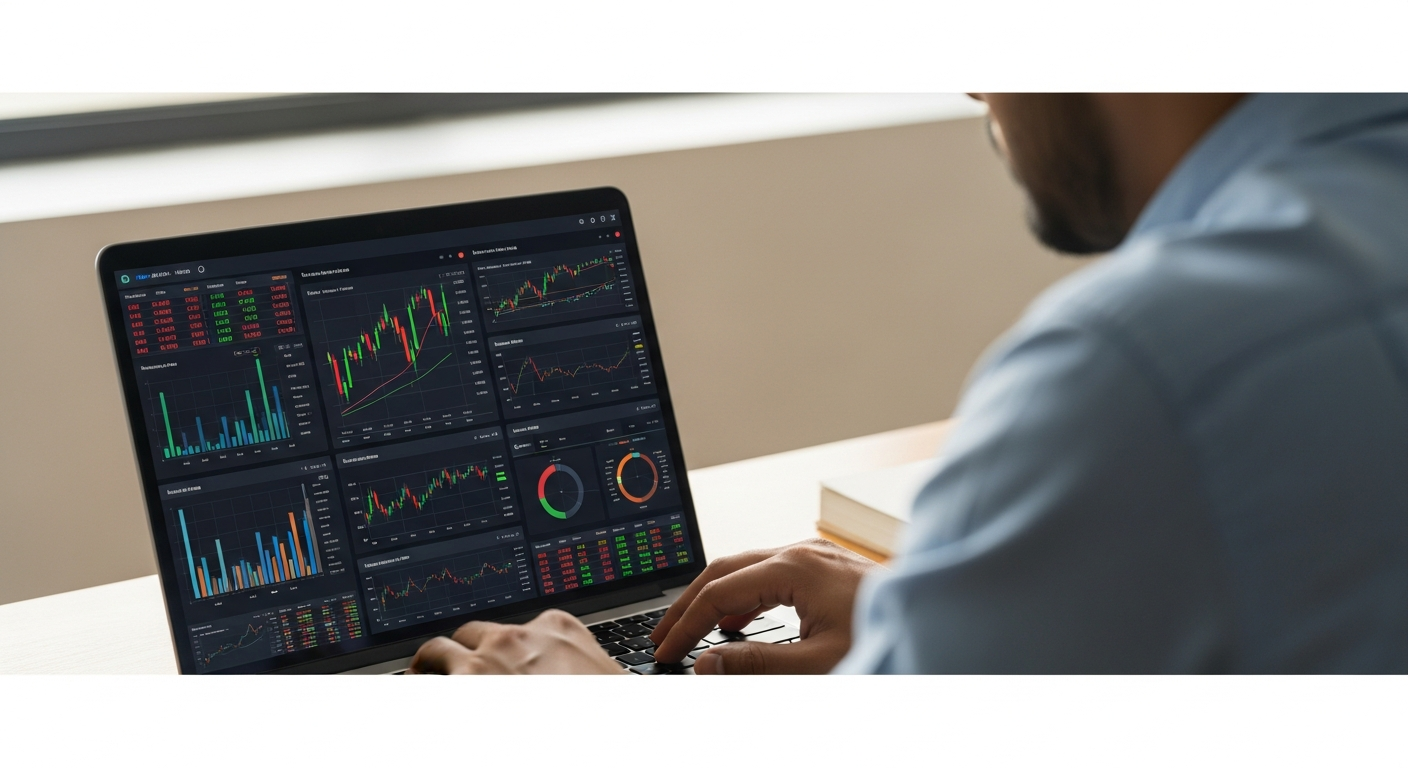
Investing in the stock market can be a powerful way to build wealth over time. For new Indian investors, understanding the process of how to buy stocks in India is essential before making your first stock investment. This guide covers everything from prerequisites to post-purchase considerations.
Understanding the Prerequisites for Buying Stocks
Before you can buy stocks in India, you need to fulfill certain basic requirements:
- Permanent Account Number (PAN): This is mandatory for all financial transactions including stock trading.
- Bank Account: A savings or current account linked to your trading activities for fund transfers.
Having these in place ensures compliance with regulatory requirements and smooth transaction processing.
Opening a Demat and Trading Account: What to Expect
To invest in stocks, you must open two essential accounts:
- Demat Account: This holds your shares in electronic form.
- Trading Account: This is used to place buy or sell orders on the stock exchange.
Most stockbrokers offer both accounts together. The process typically involves:
- Submitting KYC documents (PAN, Aadhaar, address proof, bank details).
- Filling out the account opening form either online or offline.
- Verification by the broker and linking your bank account.
Once activated, these accounts enable you to trade seamlessly.
Choosing a Reliable Stockbroker in India
Selecting the right stockbroker is crucial for a smooth investing experience. Consider the following factors:
- Brokerage Charges: Compare fees for trading and account maintenance.
- Trading Platform: User-friendly interface and mobile app availability.
- Customer Support: Responsive service for queries and technical help.
- Research and Advisory: Access to market insights and recommendations.
Popular brokers in India include Zerodha, Upstox, ICICI Direct, and HDFC Securities. Evaluate based on your preferences and investment style.
Placing Your First Buy Order: Market vs. Limit Orders
When buying stocks, you will encounter two main order types:
- Market Order: Buys the stock immediately at the current market price. Suitable for quick execution but price may vary.
- Limit Order: Sets a maximum price you are willing to pay. The order executes only if the stock price reaches this level.
For beginners, limit orders can help control purchase price, while market orders ensure faster execution.
Basic Principles for Selecting Your Initial Stocks
Choosing your first stocks requires careful consideration. Keep these principles in mind:
- Understand the Business: Invest in companies whose products or services you know.
- Financial Health: Look for companies with consistent earnings and manageable debt.
- Market Position: Prefer companies with strong competitive advantages.
- Diversification: Avoid putting all your funds into a single stock.
Use publicly available financial reports and credible research to guide your decisions.
Post-Purchase Considerations: Tracking and Rebalancing
After buying stocks, managing your portfolio is important:
- Regular Tracking: Monitor stock performance and company news.
- Review Portfolio: Periodically assess if your investments align with your financial goals.
- Rebalancing: Adjust holdings to maintain desired risk levels and diversification.
Avoid reacting impulsively to short-term market fluctuations. A disciplined approach helps in long-term wealth creation.
Disclaimer: This article is for educational purposes only and does not constitute financial advice. Stock market investments carry risks, and past performance is not indicative of future results.