Energy
Saudi Arabia Pushes Back Against Red Sea Blockade Plan
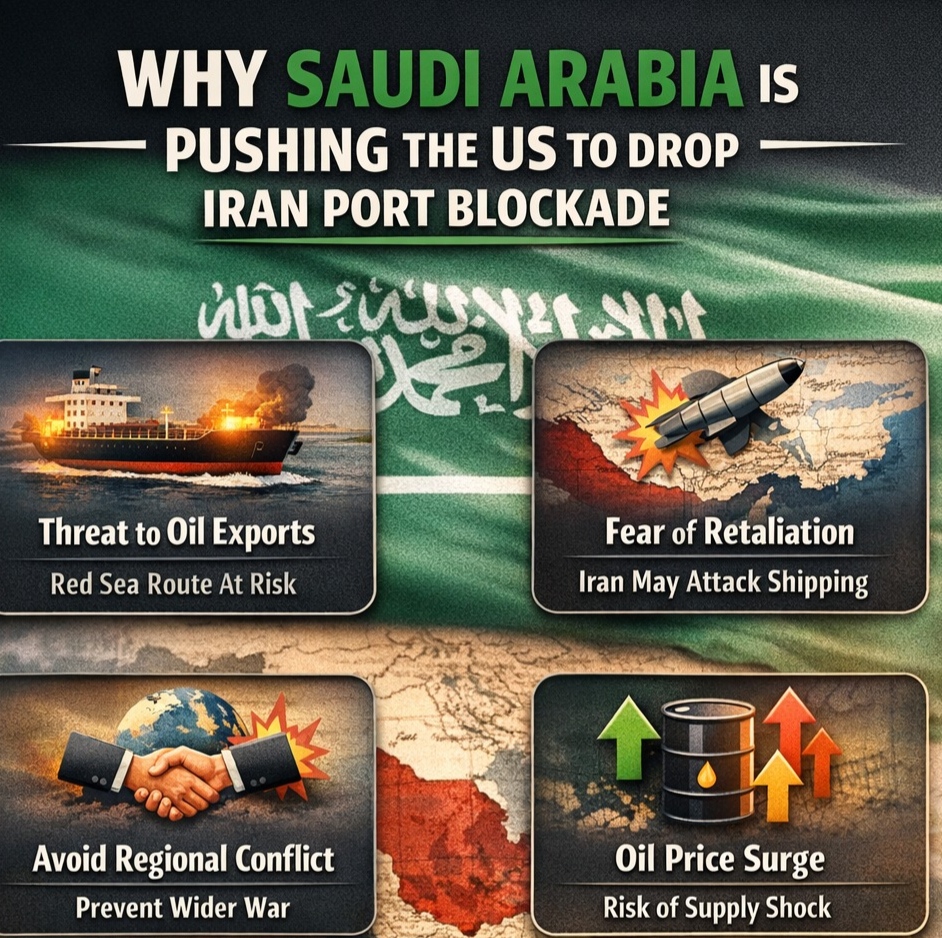
This Fin Shorts piece explores Saudi Arabia's apprehension regarding a potential Red Sea blockade. The kingdom is worried that such a move could severely impact its crucial oil shipments and overall revenue, a significant aspect of the Indian economy that closely watches global energy markets. Furthermore, Riyadh fears that Iran might retaliate by targeting shipping lanes or facilities connected to Saudi interests, potentially disrupting global trade routes vital for India's import-export business. The nation's diplomatic efforts to de-escalate regional tensions and safeguard its economic stability are also highlighted. Understanding these geopolitical shifts is key for investors tracking international relations and their influence on the Indian stock market and commodity prices.
This Fin Shorts piece explores Saudi Arabia's apprehension regarding a potential Red Sea blockade. The kingdom is worried that such a move could severely impact its crucial oil shipments and overall revenue, a significant aspect of the Indian economy that closely watches global energy markets. Furthermore, Riyadh fears that Iran might retaliate by targeting shipping lanes or facilities connected to Saudi interests, potentially disrupting global trade routes vital for India's import-export business. The nation's diplomatic efforts to de-escalate regional tensions and safeguard its economic stability are also highlighted. Understanding these geopolitical shifts is key for investors tracking international relations and their influence on the Indian stock market and commodity prices.
More in Energy

Energy
Maharashtra Gives Ola, Uber and Rapido Nine Months to Go Fully Electric
- Bike-taxi platforms must phase out petrol-based vehicles & move to electric fleets by 2027
- Operators sought more time, with platforms reportedly asking for an extension until 2030
- The transition could increase upfront costs as riders also face limited charging infra

Energy