Global markets
Why Egypt Can Charge Suez Canal Fees but Iran's Hormuz Fee Is Considered Illegal
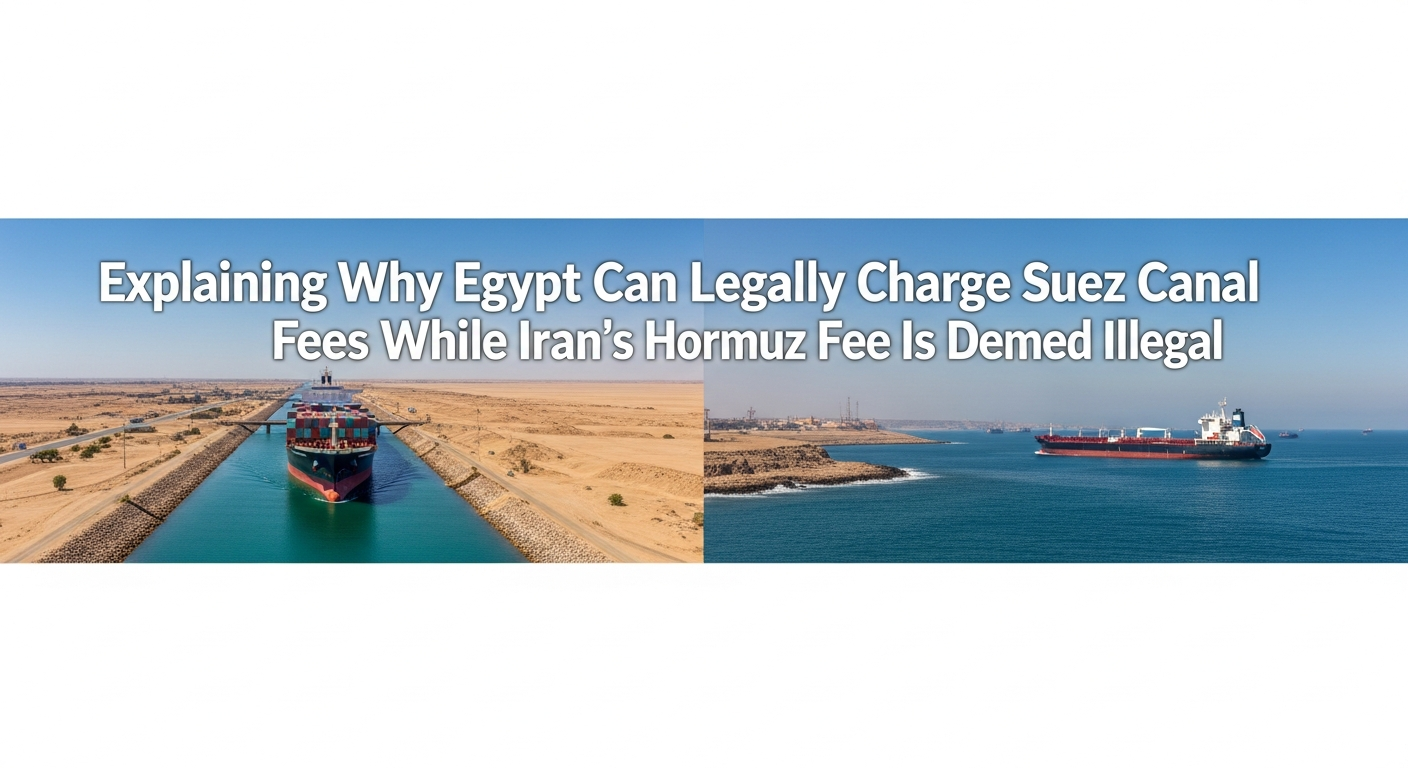
This Lumic Insights piece delves into the crucial differences between charging fees for passage through Egypt's Suez Canal and Iran's proposed fees for the Strait of Hormuz. While Egypt's charges are backed by international agreements recognising its sovereignty, Iran's attempt to levy fees on this vital international waterway is viewed as illegal under maritime law. Understanding this distinction is key for global maritime trade, impacting everything from crude oil prices to the broader Indian economy's reliance on steady international commerce. We examine the legal frameworks and geopolitical implications, offering a clear interpretation for our users. This analysis touches upon international law, geopolitics, and maritime trade, vital aspects of the global financial markets.
More in Global markets

Global markets
JCR Upgrades India's Sovereign Rating to A- on Growth & Financial stability
- Japan's JCR upgrades India to A- from BBB+, citing sustained growth of around 7%
- India's banking system further strengthened as gross non-performing loans fell to 1.8%
- Fiscal deficit narrowed to 4.4% of GDP in FY26 while capital spending stayed high

Global markets
Global Bond Yields Surge as Oil and Inflation Fears Hit Japan, UK and US
- Global bond yields rose as higher oil prices revived inflation and rate-hike fears
- Japan's 10-year bond yield hit 3% for the first time since 1996 amid fiscal concerns
- U.S. Treasury and UK gilt yields rose as investors reassessed inflation and debt risks