Markets
How to Filter Market Noise and Focus Only on What Moves Your Portfolio
Introduction
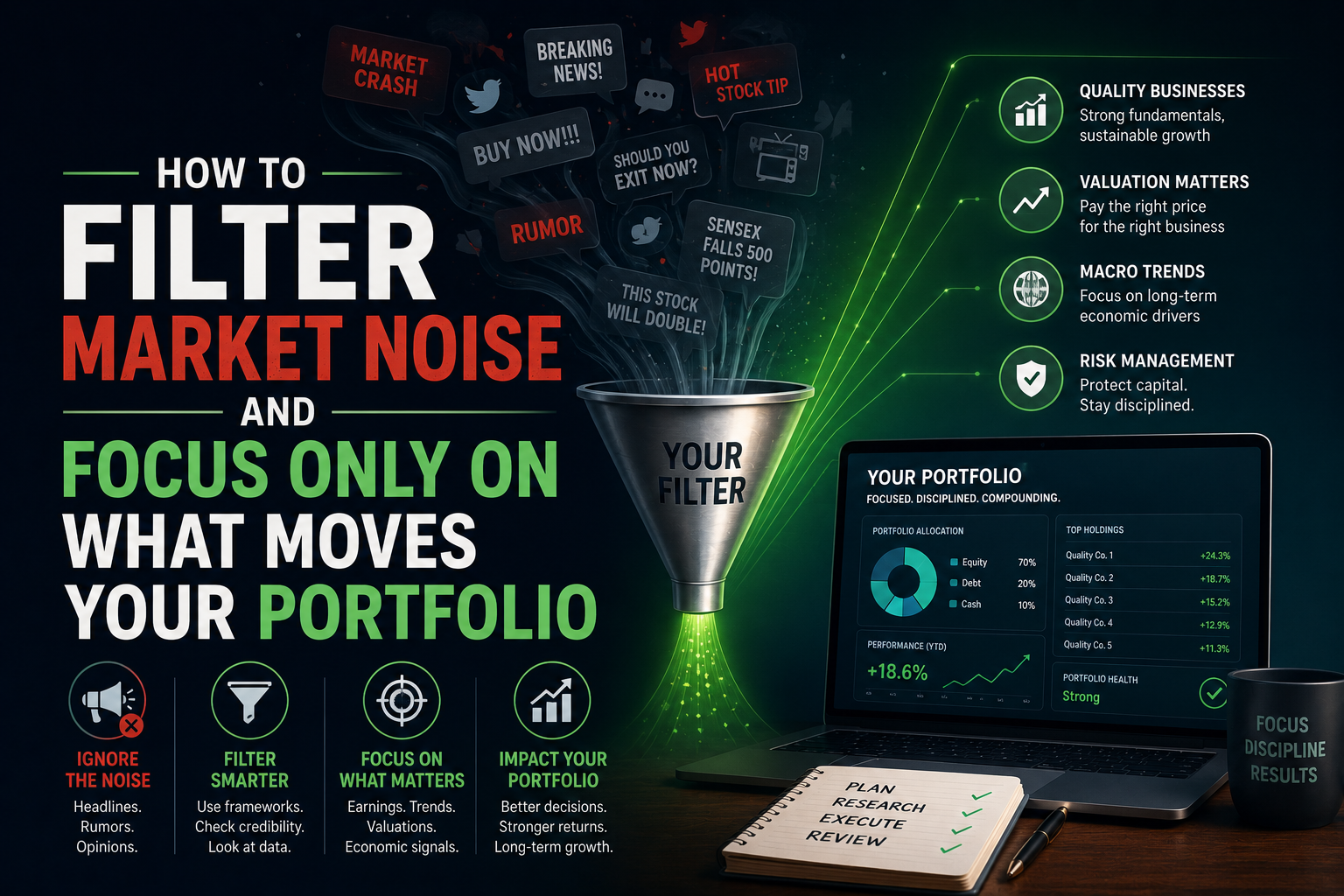
In the fast-paced world of investing, market noise can distract even experienced investors. Market noise refers to the plethora of information, news, and short-term fluctuations that may not have a meaningful impact on your portfolio. Filtering out this noise is essential for making informed, long-term investment decisions.
What is Market Noise?
Market noise includes:
- Daily price volatility
- Sensational headlines
- Rumors and speculation
- Short-term market trends
These elements can cause emotional reactions and impulsive decisions, which may harm your investment outcomes.
Why Filtering Market Noise Matters
Focusing on irrelevant information can lead to:
- Overtrading and higher transaction costs
- Increased stress and anxiety
- Poor timing decisions
- Deviation from your investment goals
How to Filter Market Noise
1. Define Your Investment Goals
Clear goals help you focus on relevant information aligned with your time horizon and risk tolerance.
2. Focus on Fundamentals
Concentrate on company earnings, economic indicators, and industry trends rather than daily price movements.
3. Use Reliable Sources
Rely on credible financial news and reports instead of social media or unverified tips.
4. Develop a Long-Term Perspective
Avoid reacting to short-term market fluctuations; instead, assess investments based on long-term potential.
5. Set a Review Schedule
Regularly review your portfolio quarterly or semi-annually instead of daily monitoring.
6. Automate Investments
Consider systematic investment plans (SIPs) or automated contributions to reduce emotional decision-making.
Tools and Techniques
- Use portfolio tracking apps with alerts for significant changes only
- Employ technical analysis cautiously and as a supplement to fundamentals
- Consult financial advisors for personalized guidance
Conclusion
Filtering market noise is crucial for Indian professionals aiming to build and preserve wealth through investments. By focusing on what truly moves your portfolio, you can make rational decisions and stay aligned with your financial objectives.
This article is for educational purposes only and does not constitute personal investment advice.
Learn practical strategies to filter market noise and concentrate on factors that truly impact your investment portfolio for better financial decisions. ## Introduction In the fast-paced world of investing, market noise can distract even experienced investors. Market noise refers to the plethora of information, news, and short-term fluctuations that may not have a meaningful impact on your portfolio. Filtering out this noise is essential for making informed, long-term investment decisions. ## What is Market Noise? Market noise includes: - Daily price volatility - Sensational headlines - Rumors and speculation - Short-term market trends These elements can cause emotional reactions and impulsive decisions, which may harm your investment outcomes. ## Why Filtering Market Noise Matters Focusing on irrelevant information can lead to: - Overtrading and higher transaction costs - Increased stress and anxiety - Poor timing decisions - Deviation