Markets
Understanding Inflation in India: How it Impacts Your Savings and Investments
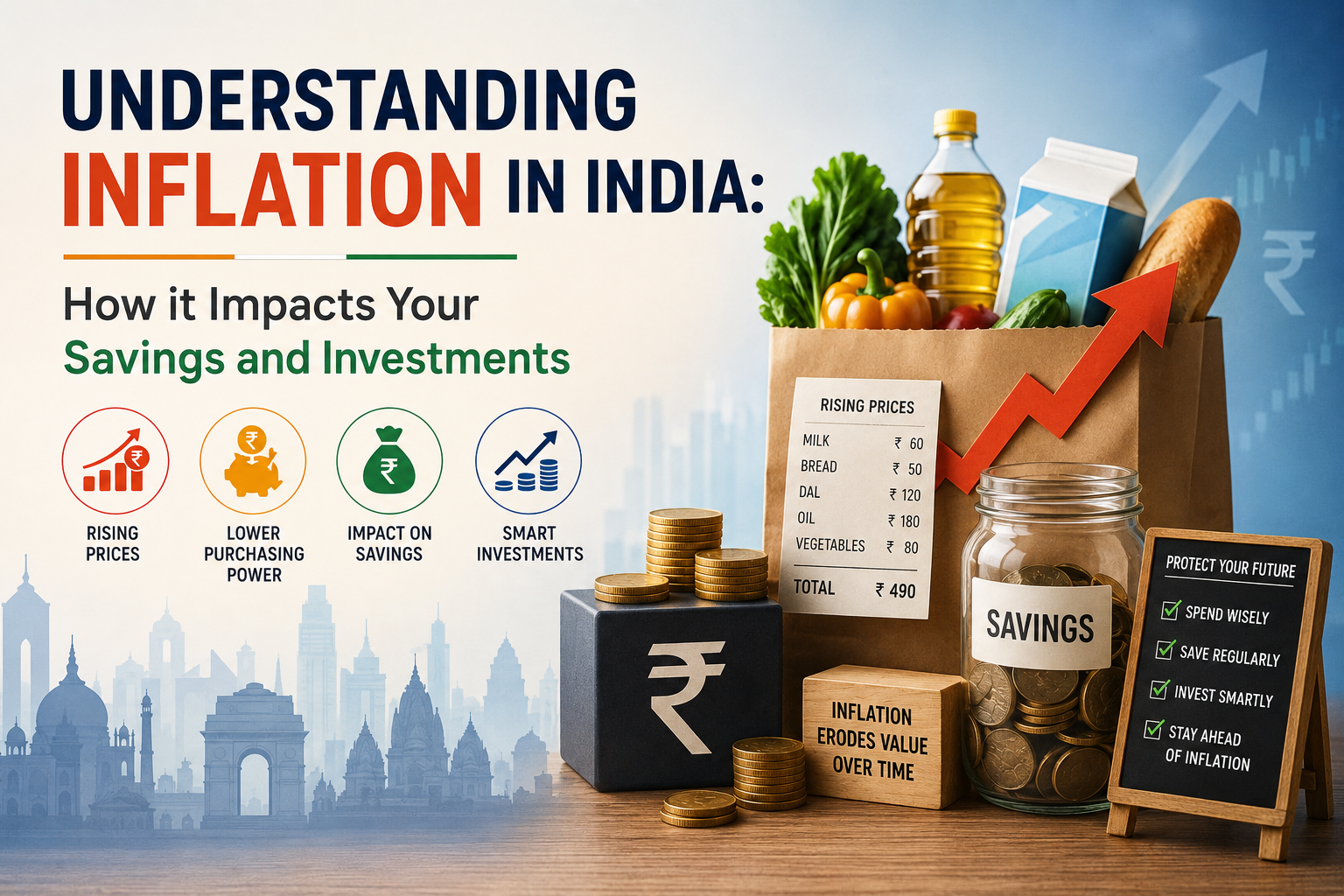
Inflation is a common term in India, often discussed over chai, but its deep impact on personal finances is frequently underestimated. For Indian professionals striving to build wealth, understanding inflation isn't just academic – it's crucial for financial stability. This article from Lumic.co.in will demystify inflation, explore its causes and effects in the Indian context, and equip you with strategies to safeguard your savings and investments.
What is Inflation and How is it Measured in India?
Inflation refers to the rate at which the general level of prices for goods and services is rising, and subsequently, the purchasing power of currency is falling. In India, it’s primarily measured using two key indices:
Consumer Price Index (CPI)
The CPI measures changes in the price level of a basket of consumer goods and services purchased by households. Think of your monthly grocery bill, transport costs, housing rent, and medical expenses – the CPI reflects how these common expenses evolve. It's the most relevant measure for understanding the cost of living in India for individuals. The Reserve Bank of India (RBI) uses CPI as its key target for monetary policy.
Wholesale Price Index (WPI)
The WPI measures the average change in the prices of commodities sold in bulk by wholesale businesses to other businesses. It tracks price movements at the producer or wholesale level, covering manufactured products, fuel & power, and primary articles. While it doesn't directly impact your daily expenses, WPI can indicate future CPI trends as wholesale price increases often trickle down to retail.
Key Causes of Inflation in the Indian Economic Context
Inflation in India is a complex phenomenon driven by a mix of domestic and global factors:
- Demand-Pull Inflation: When aggregate demand in the economy outstrips the available supply of goods and services. This can be due to rising incomes, increased government spending, or easy availability of credit. For example, a booming IT sector leading to higher disposable incomes can drive up demand for consumer durables and housing.
- Cost-Push Inflation: Occurs when the cost of producing goods and services rises, pushing up their prices. Key drivers in India include:
- Global Commodity Prices: India is a net importer of crude oil, and international oil price volatility significantly impacts fuel and transport costs.
- Supply Chain Disruptions: Issues like monsoons affecting agricultural output, or global logistics bottlenecks, can cause temporary price spikes for essential goods.
- Minimum Support Prices (MSP): Government-mandated MSPs for agricultural products can influence food inflation.
- Monetary Factors: Excessive money supply in the economy, often due to expansionary monetary policies by the central bank, can lead to too much money chasing too few goods.
- Fiscal Policy: Government's borrowing and spending policies can also fuel demand-pull inflation.
The Direct Impact of Inflation on Your Purchasing Power and Savings
The most immediate and tangible effect of inflation is the erosion of your purchasing power. A ₹100 note today will buy less next year if prices generally rise.
- Reduced Real Value of Savings: Your money sitting in a low-interest savings account or even a traditional fixed deposit (FD) is silently losing value. If your FD yields 6% annually but inflation is 7%, your real returns are actually -1%.
- Higher Cost of Living: Daily expenses like groceries, fuel, education, and healthcare become more expensive, squeezing your household budget. This directly impacts the cost of living in India.
- Long-term Financial Goals: The cost of future goals like buying a house, funding children's education, or retirement needs will be significantly higher than anticipated if you don't account for inflation.
How Inflation Affects Different Asset Classes
Understanding how various assets react to inflation is key to developing effective inflation hedging strategies.
Equity (Stocks)
- Impact: In the long run, well-managed companies can often pass on increased costs to consumers, maintaining their profit margins. Their revenues and earnings can grow with inflation, potentially offering a good hedge. However, very high or unpredictable inflation can hurt corporate profitability and consumer demand, making equity markets volatile in the short term.
- Strategy: Investing in companies with strong pricing power and sustainable business models, especially in sectors that benefit from rising prices (e.g., consumer staples, infrastructure), can be beneficial.
Debt (Fixed Income – FDs, Bonds)
- Impact: Debt instruments are generally the most vulnerable to inflation. If you invest in a bond or FD with a fixed interest rate, and inflation rises above that rate, your real returns turn negative.
- Strategy: Short-duration debt funds or floating-rate bonds might offer some protection, but for long-term wealth creation, relying solely on traditional debt instruments is risky during inflationary periods.
Real Estate
- Impact: Property values and rental incomes generally tend to rise with inflation over the long term, making real estate a traditional inflation hedging strategy.
- Strategy: Can be an effective hedge, but requires significant capital, is illiquid, and subject to local market dynamics.
Gold
- Impact: Gold is often considered a safe-haven asset and a traditional hedge against inflation. When currency loses value, gold tends to hold its purchasing power.
- Strategy: A portion of your portfolio in gold (physical, ETFs, or sovereign gold bonds) can offer diversification and a hedge, particularly during economic uncertainty.
Practical Strategies to Protect Your Wealth from Rising Inflation
- Invest in Growth Assets: Prioritise investments that have the potential to grow faster than the inflation rate, such as equities. Diversify across sectors and market caps.
- Consider Real Assets: A well-researched allocation to real estate or gold can provide a buffer against inflation.
- Review Your Debt: If you have loans at fixed interest rates, inflation effectively reduces the real burden of your future repayments. However, if rates are floating, your EMI might increase.
- Maintain an Emergency Fund: Keep your emergency fund in highly liquid instruments that offer reasonable interest rates (e.g., high-interest savings accounts, short-term debt funds) to minimise inflation erosion while maintaining accessibility.
- Upskill and Increase Earning Potential: Your biggest asset is often your ability to earn. Investing in your skills and career can help your income grow faster than inflation.
- Diversification is Key: Don't put all your eggs in one basket. A diversified portfolio across various asset classes is the best defence against market volatility and inflation's impact.
The Reserve Bank of India's Role in Managing and Controlling Inflation
The RBI, through its Monetary Policy Committee (MPC), plays a pivotal role in managing inflation in India. Its primary objective is to maintain price stability while keeping in mind the objective of growth.
- Inflation Targeting: The RBI operates under a flexible inflation targeting framework, aiming to keep CPI inflation at 4% with a band of +/- 2%.
- Interest Rate Adjustments: The primary tool is adjusting policy rates, mainly the repo rate. Increasing the repo rate makes borrowing more expensive, reducing money supply and curbing demand, thus helping cool inflation. Conversely, cutting rates stimulates economic activity.
- Liquidity Management: The RBI uses various tools to manage liquidity in the banking system, influencing credit availability and, consequently, inflation.
Analyzing Real Returns with Lumic's Financial Calculators
Understanding the nominal returns from your investments isn't enough; you need to know your real returns – the return after accounting for inflation. Lumic.co.in offers user-friendly financial calculators designed to help Indian professionals evaluate the actual growth of their wealth. By inputting your investment returns and the prevailing inflation rate, you can accurately gauge if your money is truly working for you or if inflation is eating into your gains. This critical analysis empowers you to make informed decisions and adjust your investment strategy proactively.
Conclusion
Inflation is an undeniable economic reality that significantly impacts your financial journey. For Indian professionals, understanding its nuances and proactively implementing inflation hedging strategies is not merely advisable – it's essential for achieving long-term financial goals. By diversifying your portfolio, focusing on assets that outpace inflation, and leveraging tools like Lumic's financial calculators, you can navigate inflationary periods with greater confidence and secure your financial future.
Disclaimer: This article is for informational purposes only and does not constitute financial advice. Investment in securities markets is subject to market risks. Readers are advised to consult with a qualified financial advisor before making any investment decisions.