RBI
Economy & RBI News Today
India economy news, RBI policy news, and inflation news, in one place — plain-English coverage of what is actually moving policy.
RBI
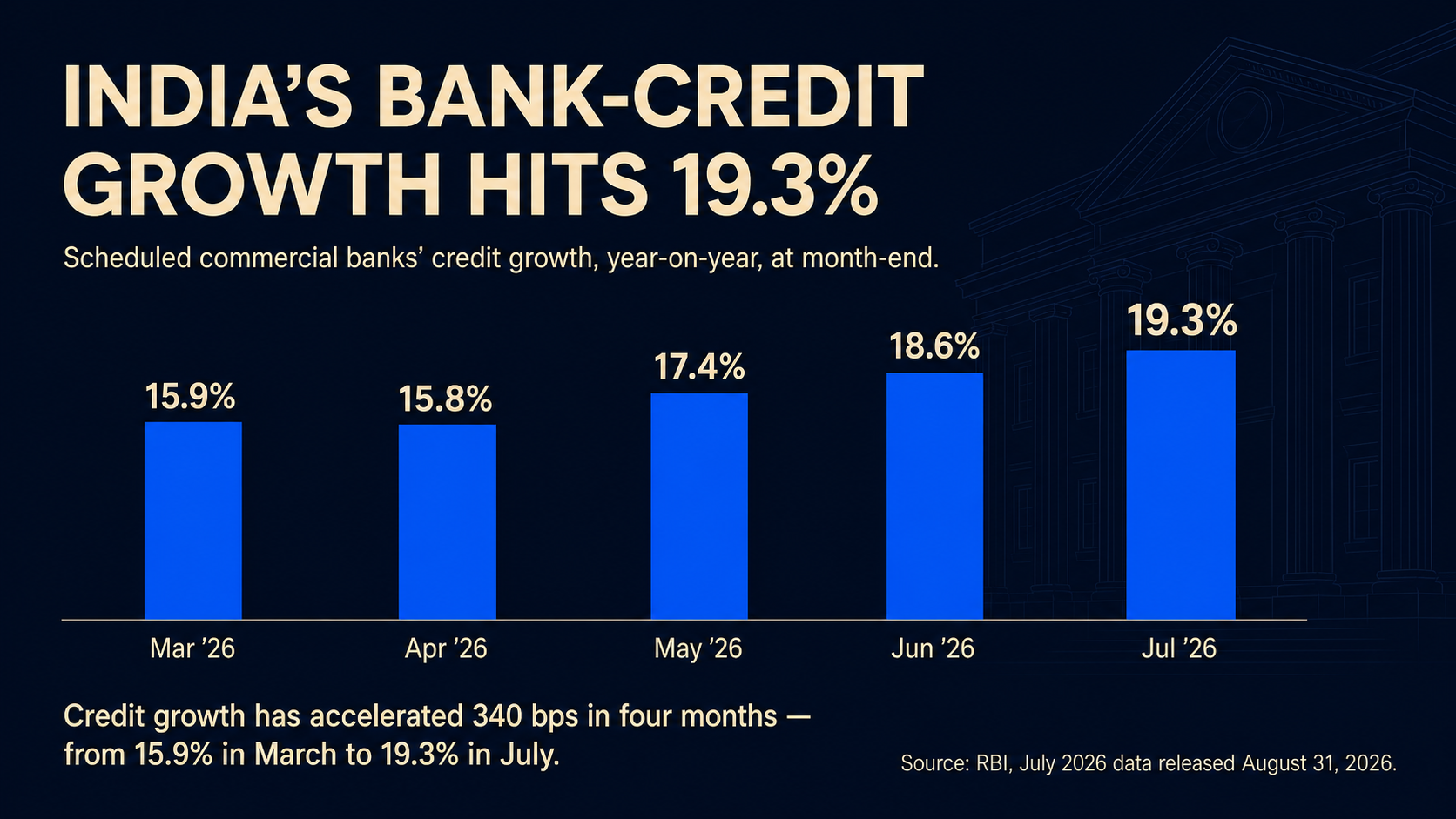
Bank Credit Surges 20% as Industry and Services Borrowing Accelerates
- Bank credit to industry grew 20% in July, sharply up from 6.5% from the last year
- Services credit jumped 22.9%, led by NBFCs, trade and commercial real estate sectors
- Infrastructure, engineering, metals and chemicals saw strong credit expansion in July
RBI
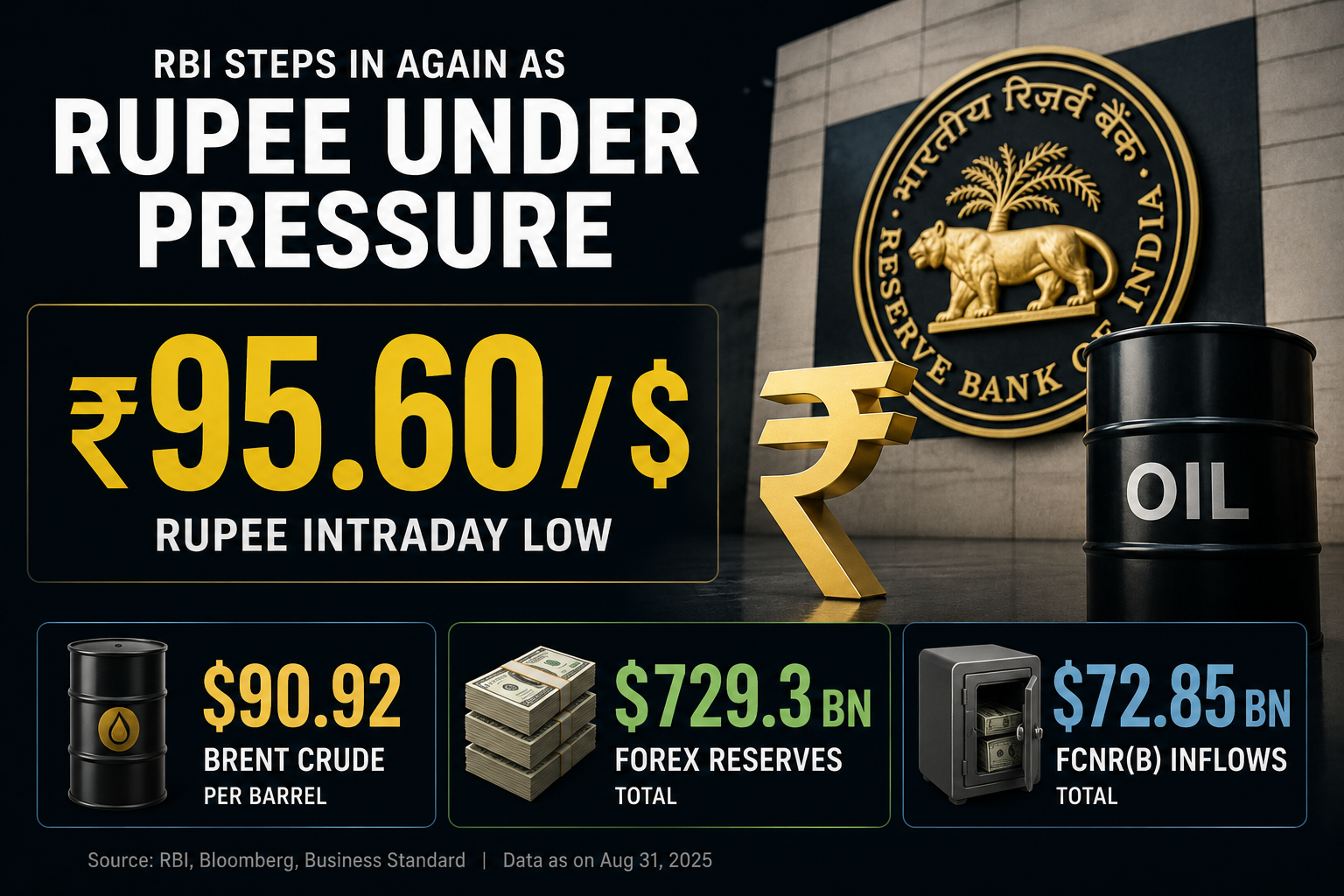
RBI Steps In Again as Oil and Fed Bets Put Rupee Under Pressure
- RBI stepped in again as the rupee weakened to 95.60 per dollar amid rising oil prices
- Brent crude climbed above $90, adding pressure as markets raised Fed hike expectations
- RBI intervention helped keep the rupee near 95.44 despite stronger external headwinds
Results
RBI Keeps Rates on Hold but Signals Possible Hike if Inflation Rises
- RBI kept repo rate at 5.25%, but members warned that inflation risks could trigger hikes
- Deputy Governor Poonam Gupta said scope for further rate cuts does not exist currently
- Inflation could peak at 5.9% in Q3, making a rate hike possible later this financial year
BFSI
LIC Gets RBI Nod to Raise HDFC Bank Stake to 9.99% From 4.11%
- LIC can now raise its HDFC Bank stake from 4.11% to as much as 9.99%, if it chooses
- The approval gives LIC room to add nearly 5.9 percentage points to its current holding
- HDFC Bank shares rose after the approval, as investors viewed LIC's interest positively
RBI
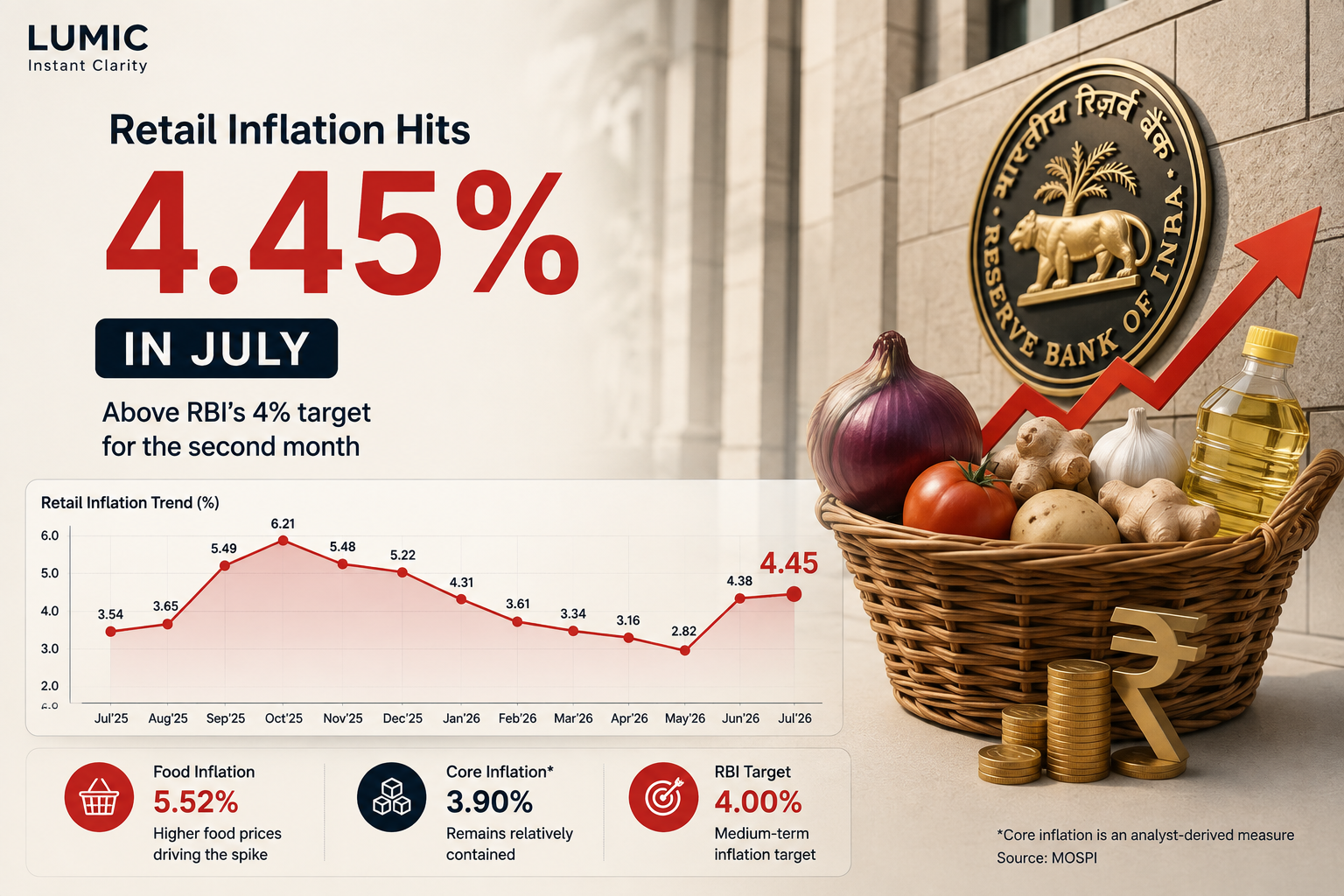
Retail Inflation Hits 4.45% in July as Food Price Rise Again
- Retail inflation rose to 4.45% in July, moving above RBI's 4% target for a second month
- Retail inflation rose to 4.45% in July, moving above RBI's 4% target for a second month
- Core inflation stayed at 3.9%, showing broader price pressures remain contained.
Commodities
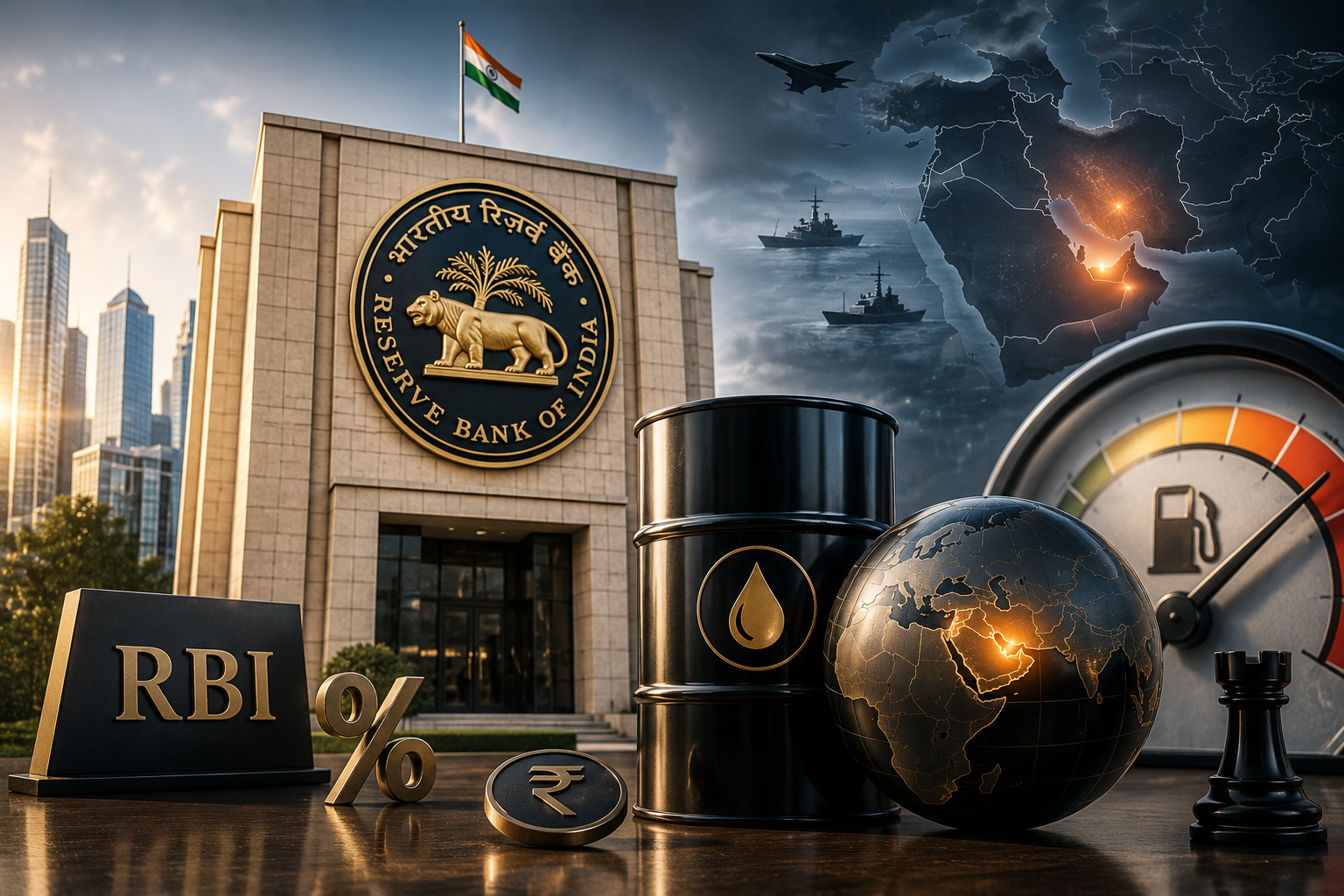
RBI Holds Rates but Flags War Risks to India's Growth and Inflation Outlook
- The RBI kept the repo rate unchanged at 5.25% while retaining its neutral policy stance
- Central bank warned that global conflicts could raise inflation and slow economic growth
- Rising crude prices remain the biggest external risk for India's economic stability ahead
Commodities
RBI Likely to Hold Rates in August Amid Persistent Inflation Risks
- Economists widely expect the RBI to keep the repo rate unchanged at its August meeting.
- Sticky inflation and elevated crude oil prices are expected to keep the RBI cautious.
- Markets closely track the RBI's guidance for clues on the timing of future rate moves.

RBI
India's $32 Billion Forex Drive Yet to Deliver Stronger Rupee Support
- India has attracted $32 billion under RBI forex measures to strengthen external finances.
- Inflows have improved liquidity buffers but have not meaningfully strengthened the rupee.
- RBI says government cash balances and interventions have tempered the currency impact.
Global markets
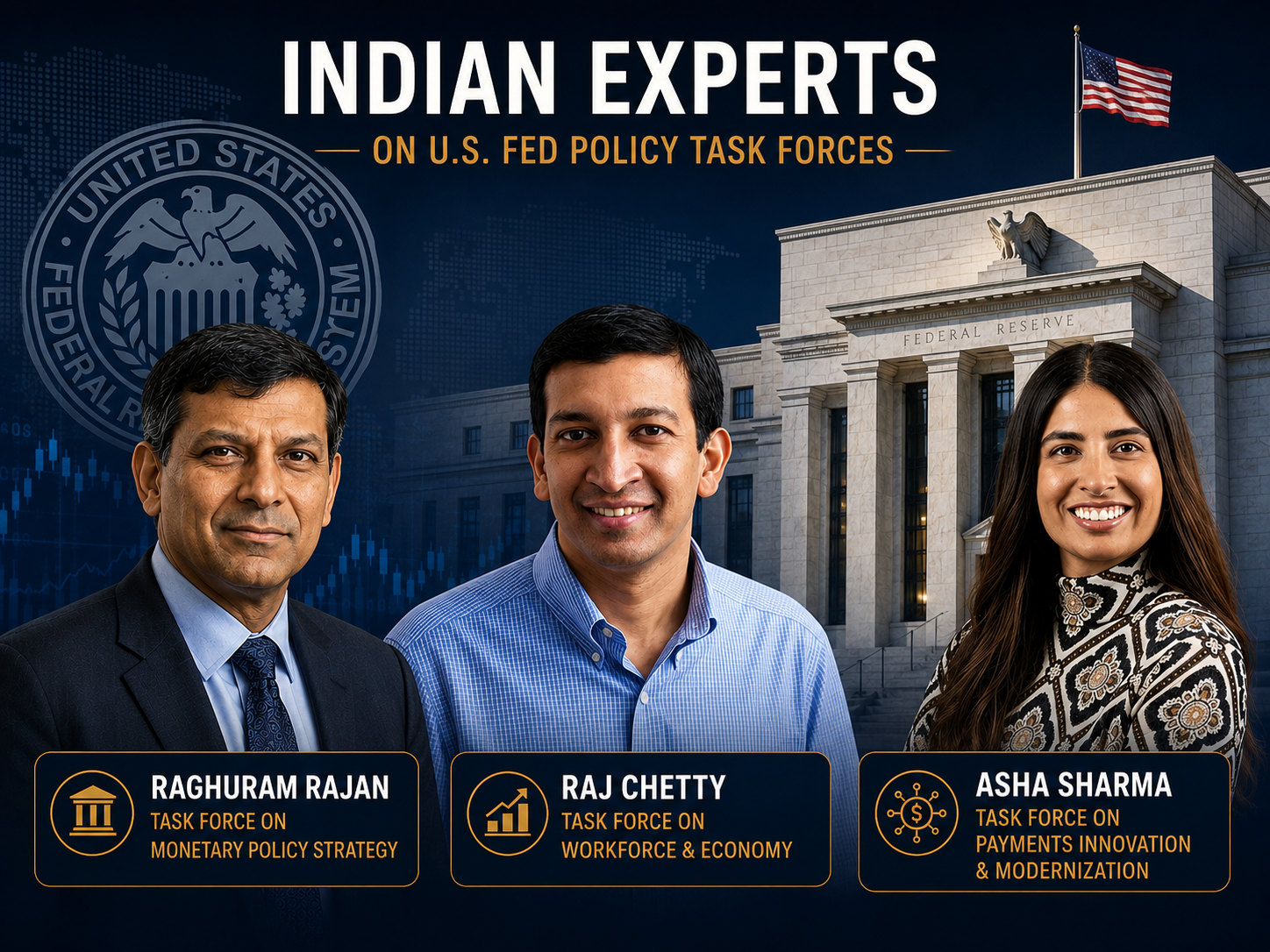
Three Indian-Origin Experts Chosen to Help Shape US Fed Policy Review
- Raghuram Rajan, Raj Chetty and Asha Sharma will lead three key Federal Reserve task forces
- The panels will review monetary policy, economic data and future productivity reforms at the Fed.
- Recommendations from these groups may influence the Fed's long-term policy framework and operation
BFSI
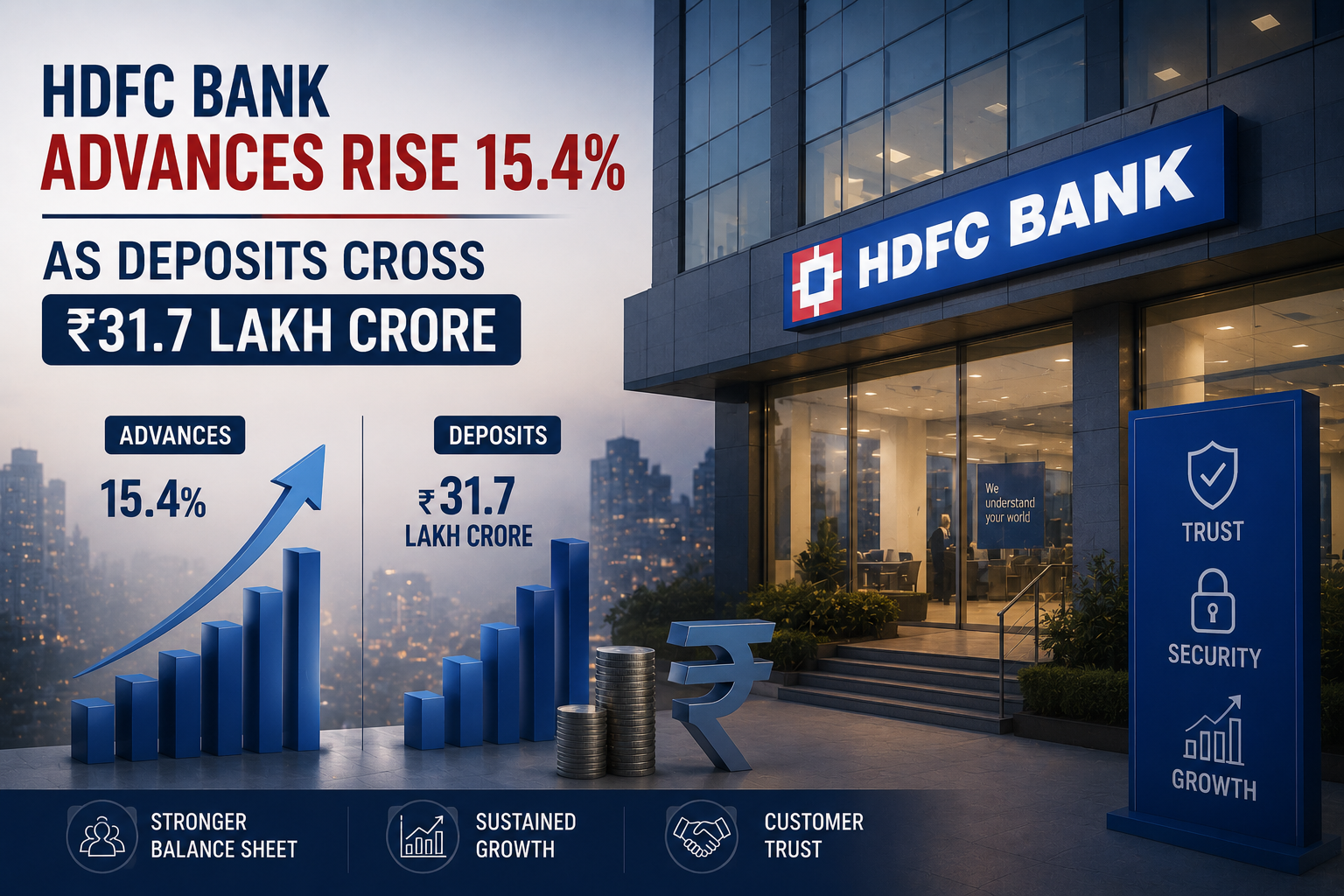
HDFC Bank Advances Rise 15.4% as Deposits Cross ₹31.7 Lakh Crore
- HDFC Bank's gross advances grew 15.4% year-on-year to ₹30.61 lakh crore in Q1FY27.
- Total deposits increased 14.7% to ₹31.70 lakh crore, reflecting strong customer confidence
- Loan growth continued to outpace the banking system, supported by healthy credit demand.
RBI
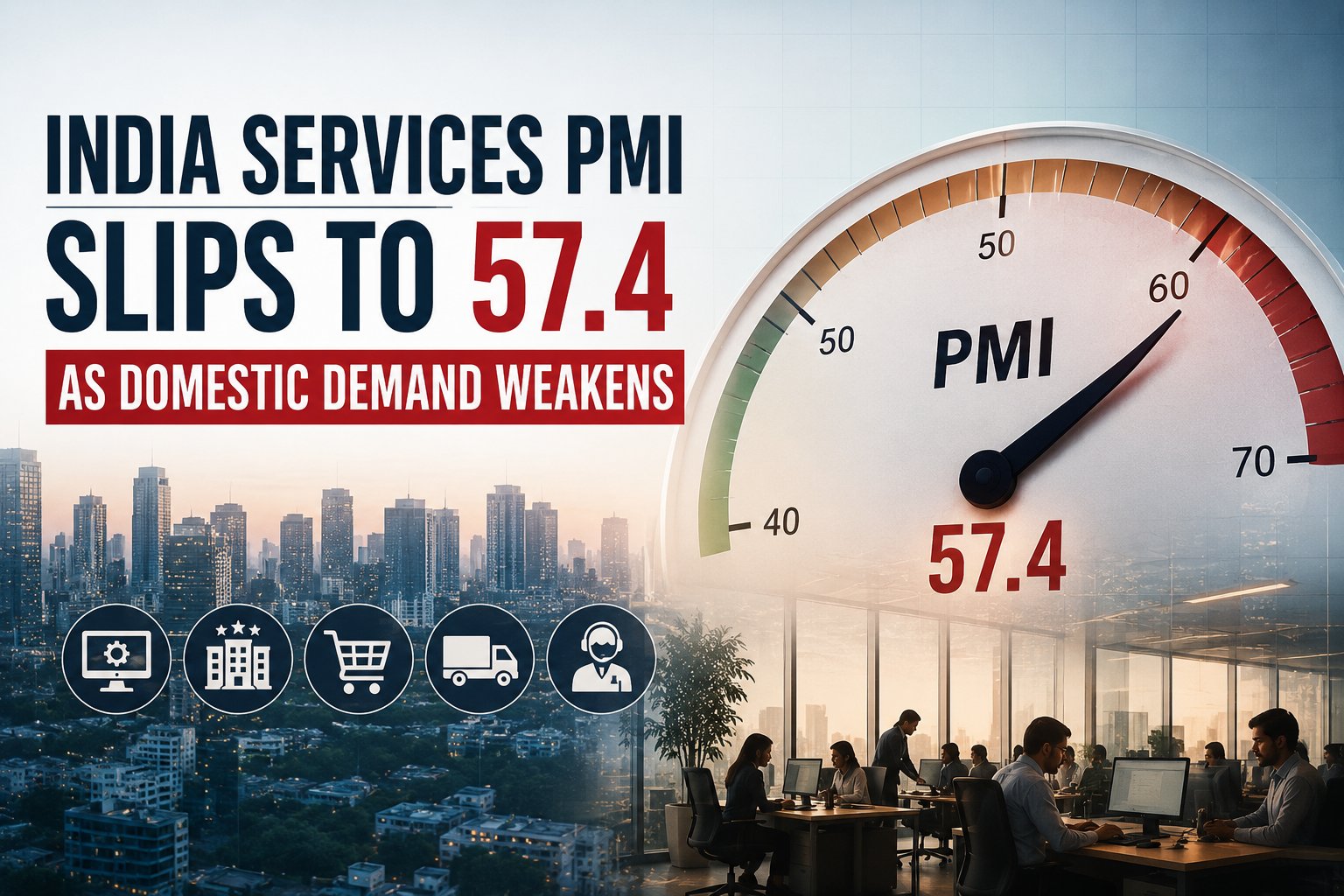
India Services PMI Slips to 57.4 as Domestic Demand Weakens.
- India's Services PMI eased to 57.4 in June, marking the slowest expansion in 17 months.
- Softer domestic demand and weaker client interest slowed new business and hiring activity
- Export orders grew at the fastest pace in three months, partially offsetting local weakness
BFSI
Bank Loan Growth Outpaces Deposits in Strong Q1 Credit Demand
- Public and private banks reported loan growth exceeding deposit growth during the April-June quarter
- Strong credit demand continued across sectors, driving advances at a faster pace than deposits
- PNB and Bank of Baroda posted double-digit loan growth, reflecting healthy lending momentum
BFSI
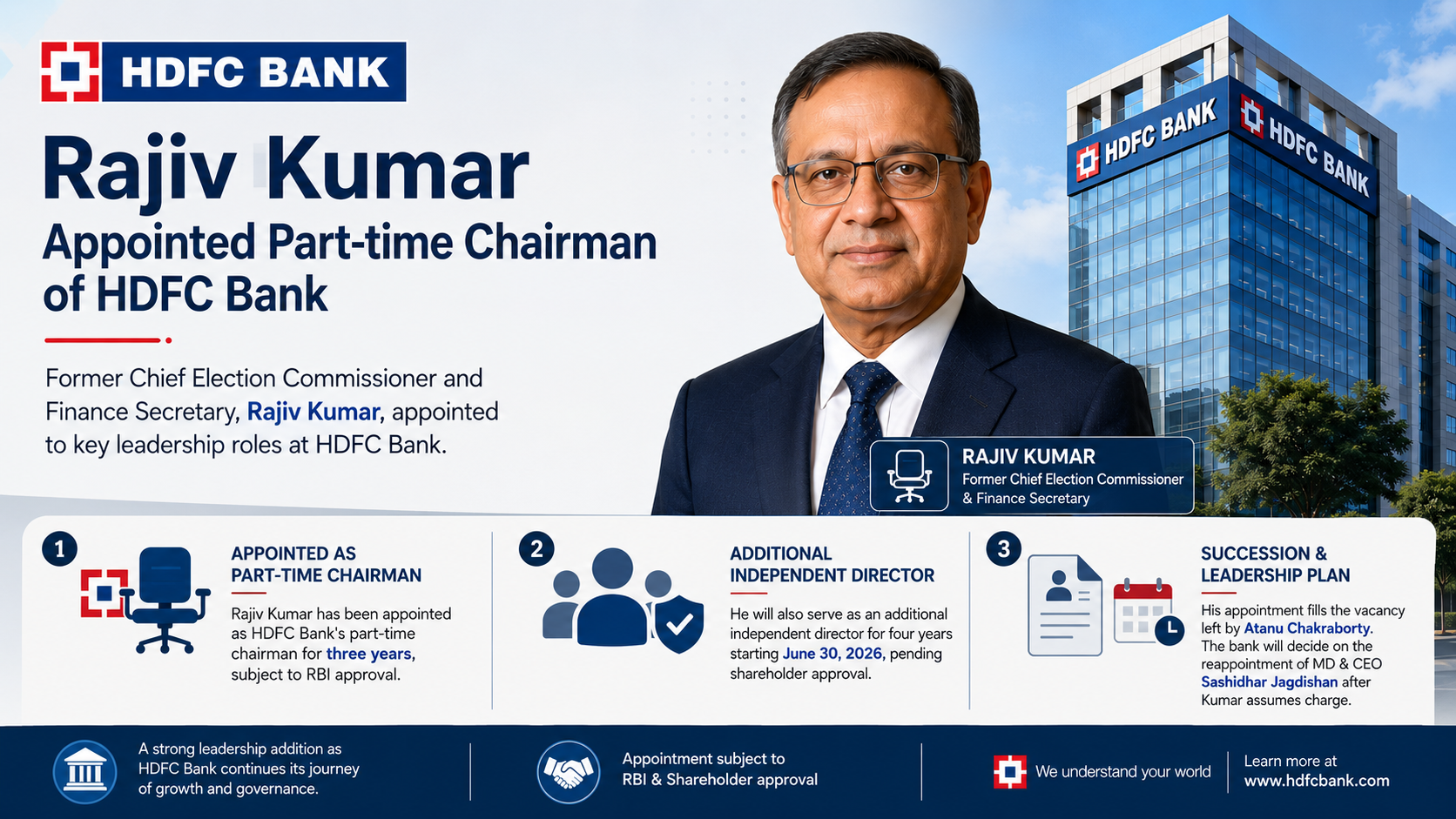
Rajiv Kumar named HDFC Bank's part-time chairman for 3 years
- Rajiv Kumar, former Chief Election Commissioner, will lead HDFC Bank part-time pending RBI Approval
- His role fills the vacancy after previous chairman Atanu Chakraborty resigned earlier this year.
- Allegations made by the previous Chairman were found to be not substantial in recent review.
RBI
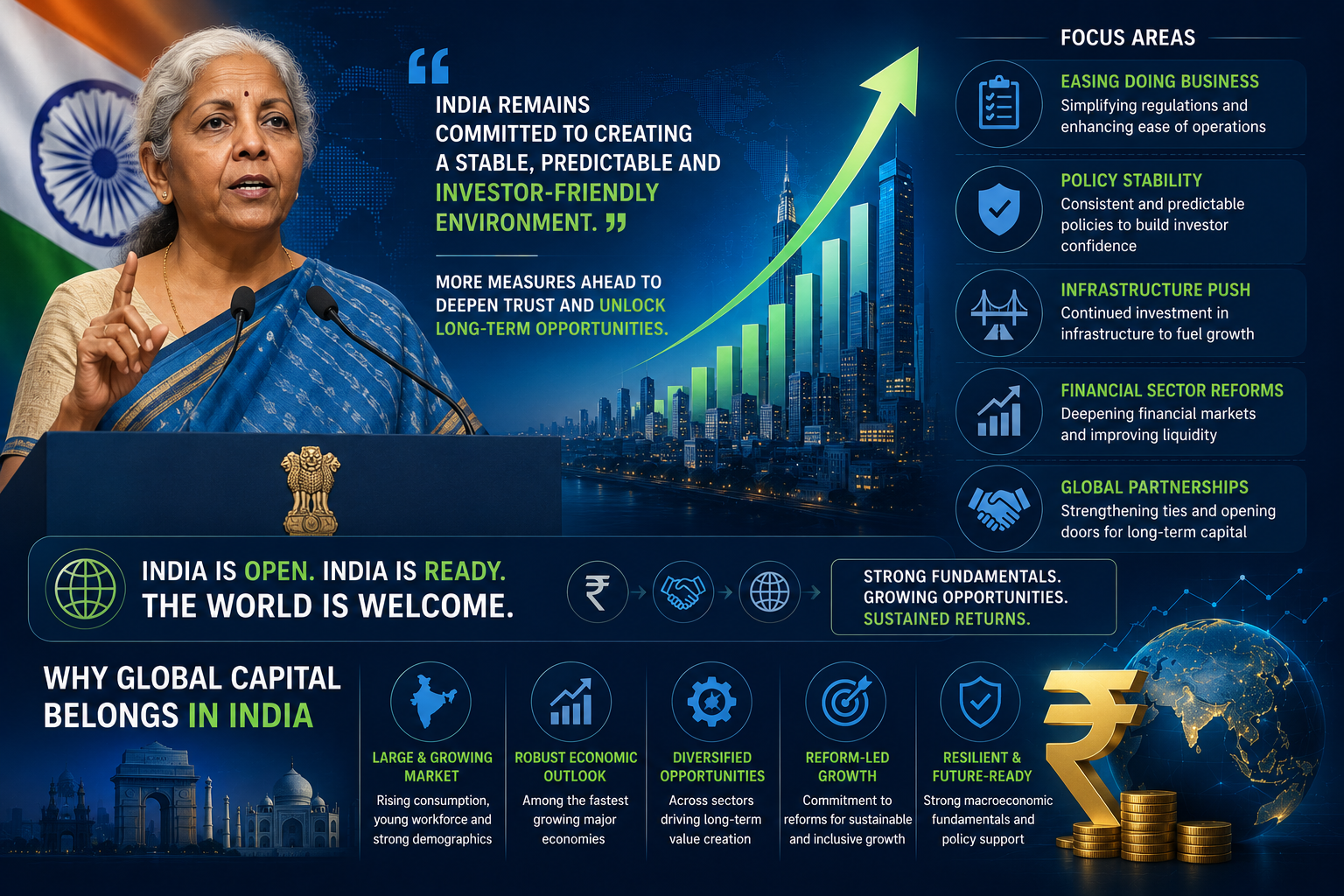
FM Sitharaman Signals More Measures to Attract Global Capital Into India
- FM Sitharaman signals more steps to attract foreign capital saying recent bond measures are a start
- Government eased FPI access to govt securities with tax relief on interest and capital gains income
- RBI and Finance Ministry working together to make India bonds more attractive for global investors
Results
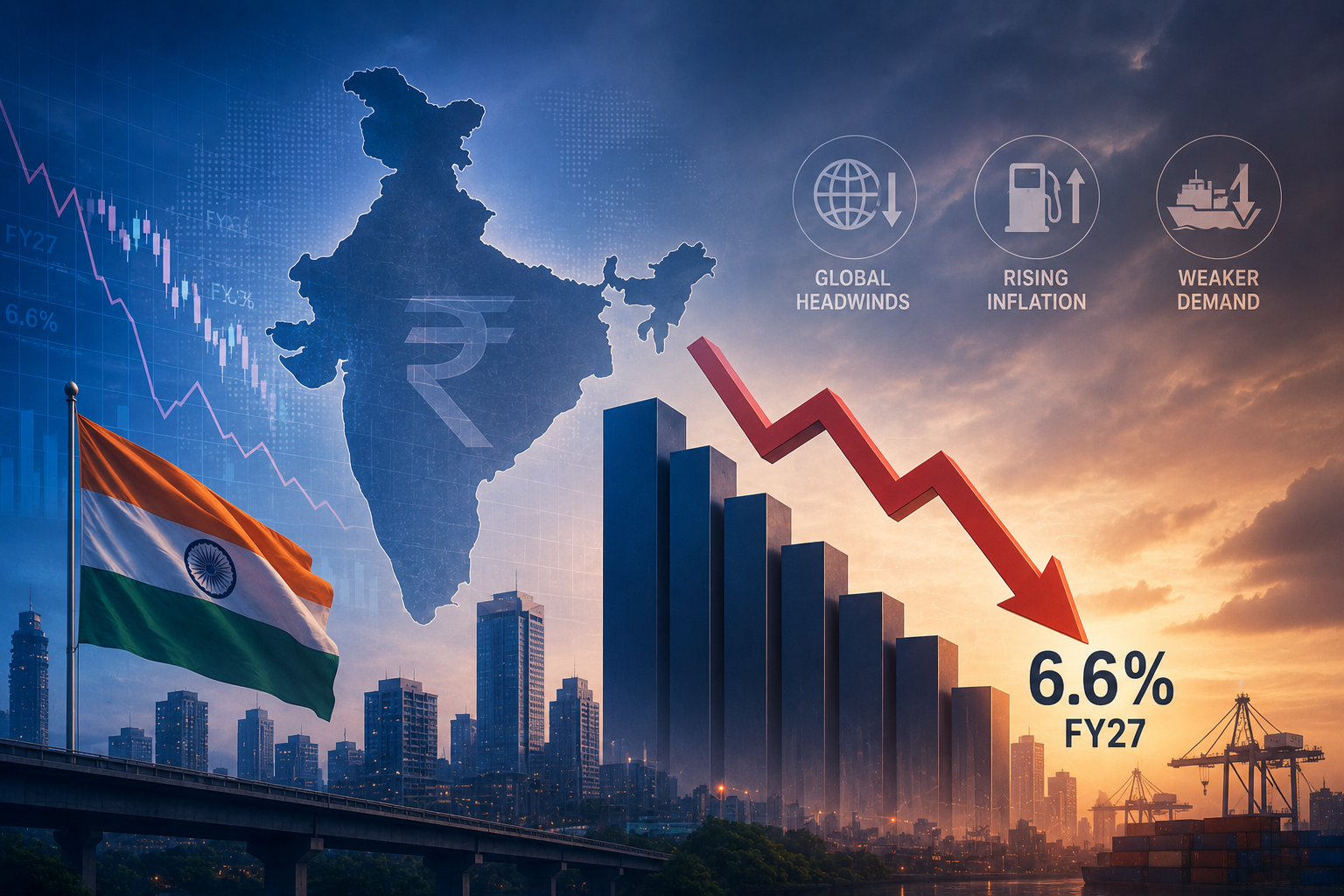
India GDP Growth to Slow to 6.6% in FY27 Amid Global Headwinds
- India GDP growth to slow to 6.6% in FY27 from a strong 7.7% recorded in FY26 last year.
- Inflation projected at 5.3% in FY27 due to Strait of Hormuz disruptions hurting consumption
- Rupee seen at 95.1 vs dollar this year with depreciation helping exports offset trade shock
Commodities
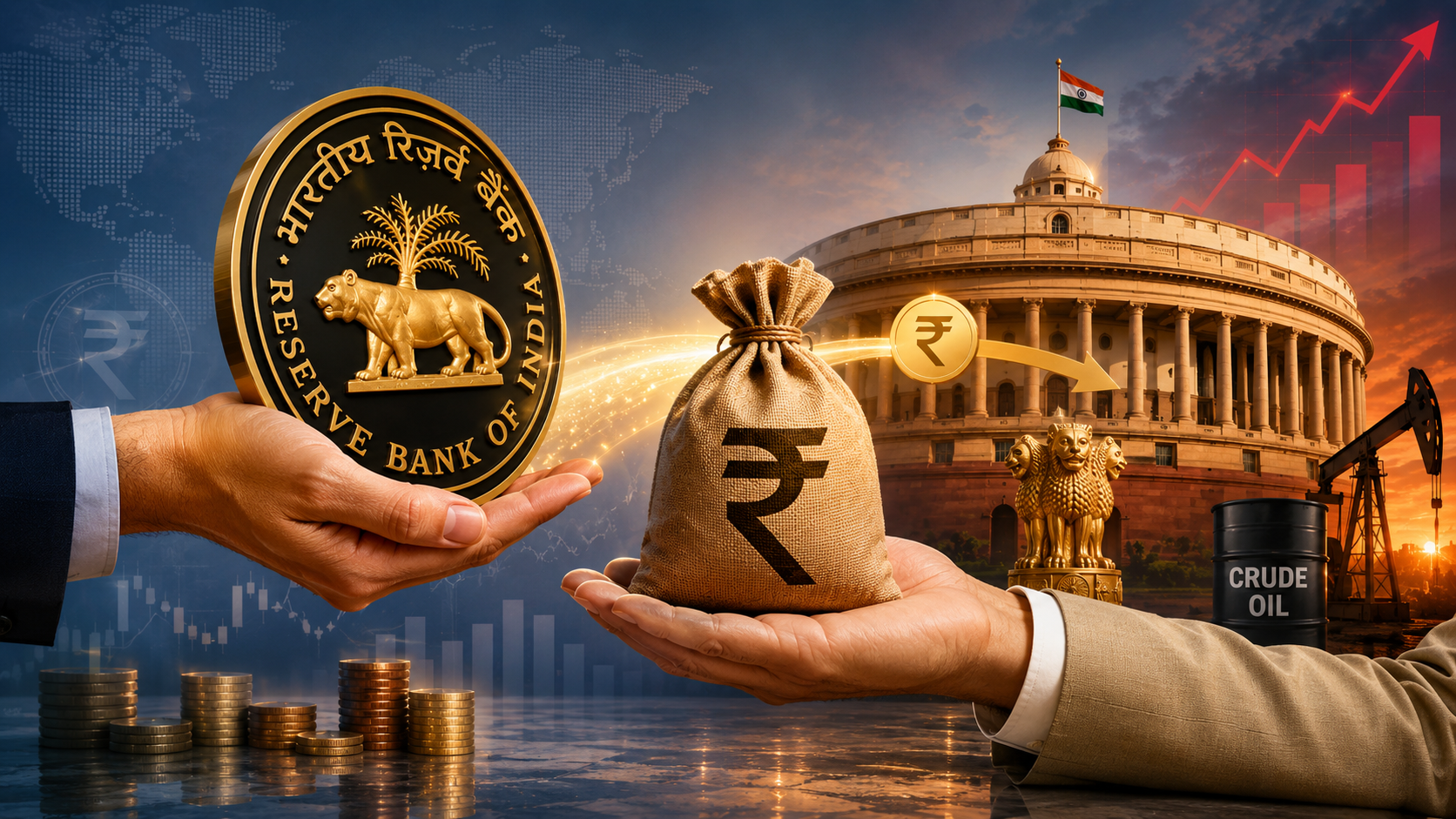
RBI sends record ₹2.87 trillion to government, but budget challenges remain due to oil prices
- The central bank gave the government a record ₹2.87 trillion from its extra funds.
- Despite this, government finances are stressed by high global oil prices and tax cuts.
- A weak monsoon and disrupted supply chains could further hurt tax collections and spending plans.
BFSI
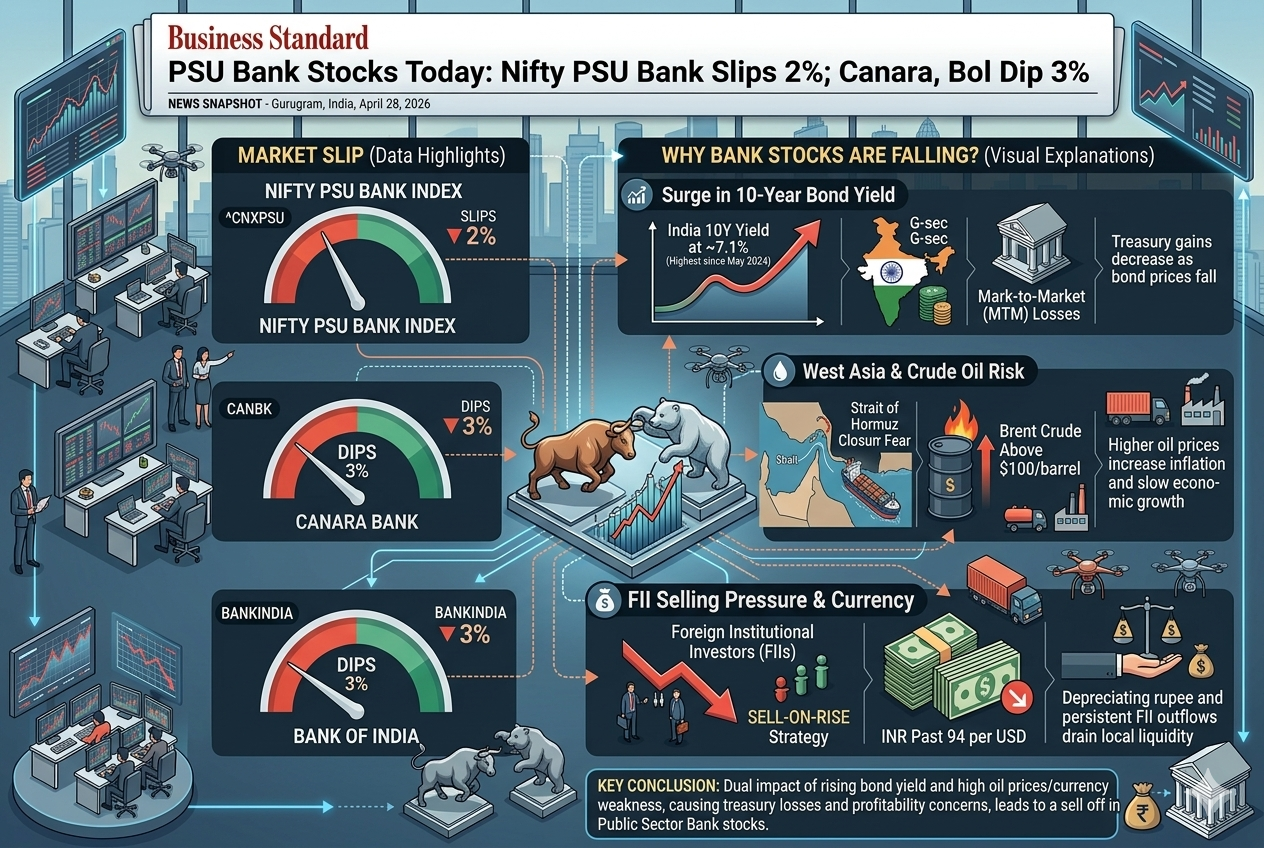
New RBI rules for bank loan provisions cause Indian public sector bank shares to fall
- The RBI has set new rules for how banks prepare for potential loan payment issues, starting April 2027.
- Banks now need to set aside much more money (at least 5%) for loans showing early repayment struggles.
- Shares of big public banks like SBI and Canara Bank fell as investors reacted to these changes.
BFSI
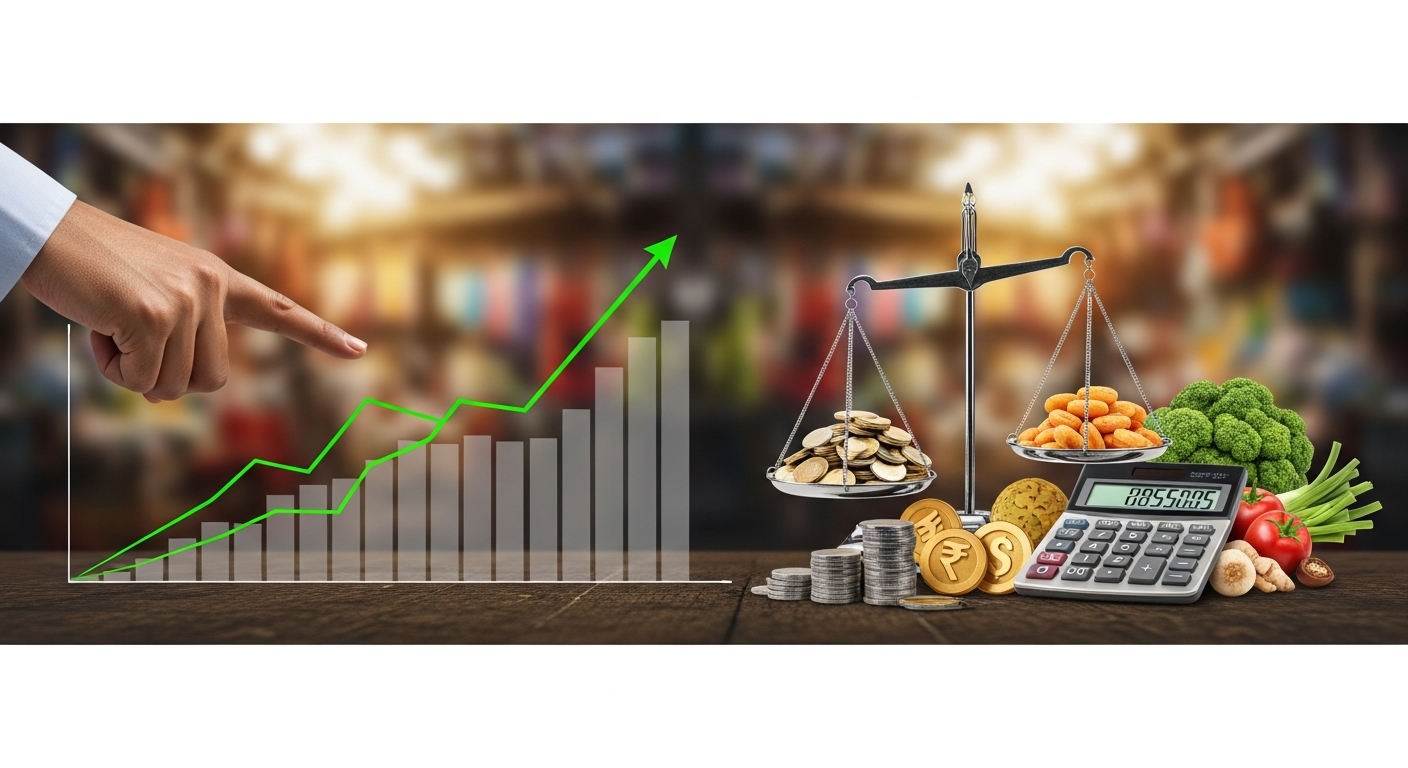
India's Retail Inflation Rises to 3.4% in March, Driven by Food Prices
- The overall increase in consumer prices in India for March was 3.40% compared to last year.
- Some food items like tomatoes saw higher prices, while others like onions and potatoes became cheaper.
- The Reserve Bank of India (RBI) expects consumer price increases to average 4.6% in the next financial year.

BFSI
Global Banks Reclassify Arbitrage Deals as Hedges Following RBI's $100M Rupee Speculation Limit
- RBI's clampdown may lower speculative trades, impacting forex market liquidity in India.
- RBI likely to closely examine reclassifications based on timing and documentation.
- Reclassification of deals could change how foreign banks engage in rupee trading.
Got Questions? We've Got Answers.
Trouble finding the answer to your question? Have a question that is not answered?
Download AppRBI monetary policy influences borrowing costs, liquidity, spending, investment, inflation, and economic activity. Changes in policy rates can affect everything from business borrowing and consumer loans to market sentiment.
RBI decisions can influence interest rates, liquidity, economic growth expectations, and investor sentiment. Rate changes or shifts in the RBI's outlook can therefore affect banks, financial companies, businesses, and broader market valuations.
Managing inflation is a key part of monetary policy. The RBI can use interest rates and other monetary tools to influence demand and liquidity when inflation is persistently high, while also considering economic growth.
Higher inflation can reduce consumers' purchasing power and increase input costs for businesses. The impact differs across sectors depending on factors such as pricing power, wages, commodity costs, and demand.
The Union Budget outlines the government's proposed spending, taxation, borrowing, and policy priorities. These measures can influence economic growth, infrastructure investment, businesses, households, and different sectors of the economy.